Stratagem Weekly
Elegant Strategy: Seemingly Simple but Oh So Powerful
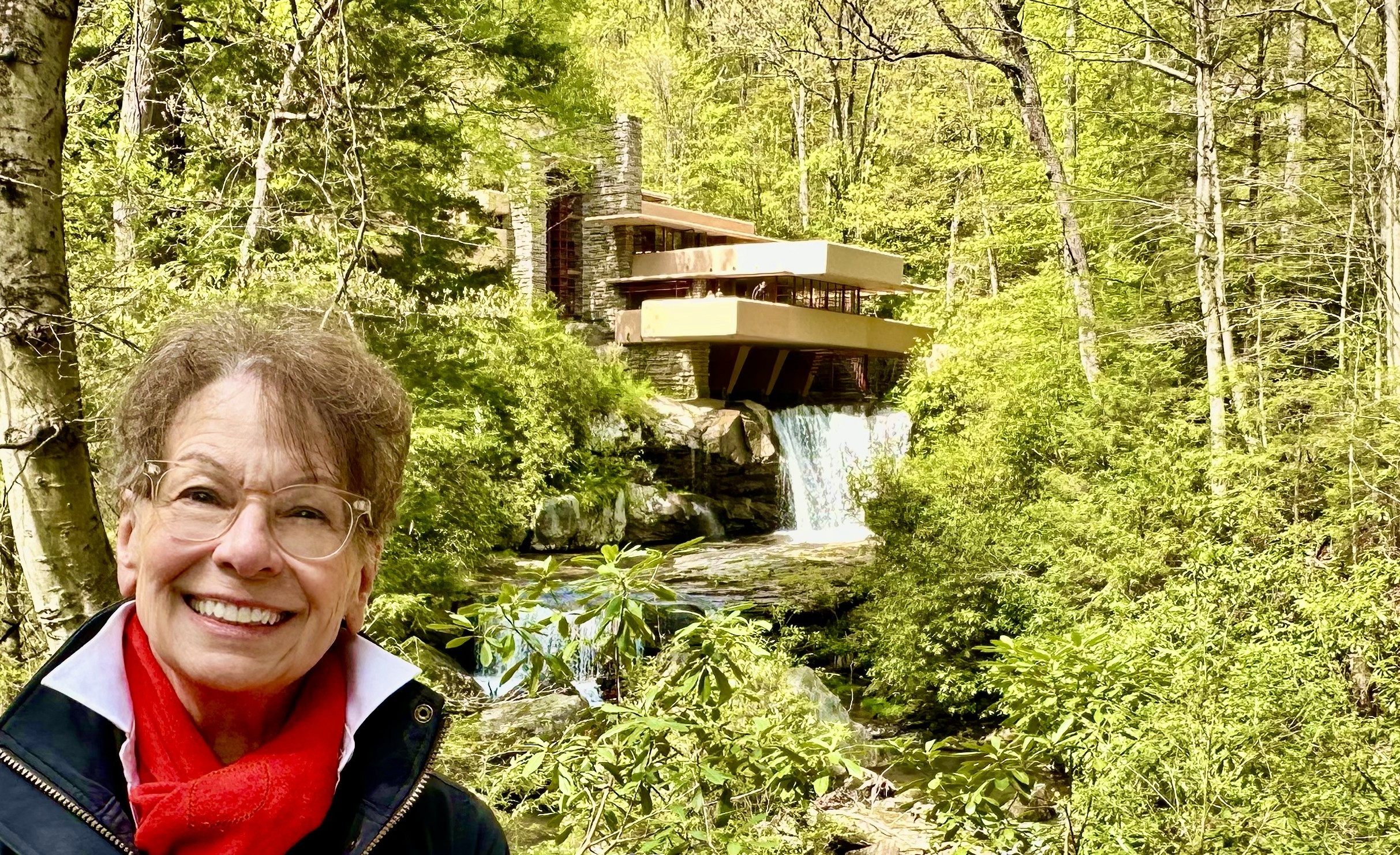
As an analyst and advisor on competitive advantage to brands around the world, I study strategies other brands use to resolve big challenges. Take those used by Frank Lloyd Wright at Fallingwater.
Few solution strategies are as visible as Wright's. At Fallingwater, his challenge was to design a sizeable home focused on nature and near a narrow canyon with a rushing river. His resolution? Not a home overlooking the canyon but in it — sizeable platforms cantilevered over a waterfall, counterbalanced by core living areas anchored in the adjacent bluff.
Another Wright case: The Guggenheim New York . His remit was to design a functional structure as "artistic" as the unconventional works it contained. Like Fallingwater, his strategy was addressed and resolved multiple issues at once: The organic "nautilus" design broke the traditional boxiness of NYC blocks, making the building a destination in itself. Inside, the design enabled artwork to be bathed in natural light. It lets visitors focus on the art — free from the confusing floor plans and confining rooms that are the bane of most museums. Wright's genius lay in resolving seemingly impossible challenges with what is called “elegant” strategy, so singular it overcomes multiple issues in one fell swoop. This teaches us the kind of strategy we all need as we face a quintessential challenge we all share: how to be viable, growing profitably and competitively advantaged in the next few years. The forces that drove past advantage are increasingly impotent today. And with the pace of change there is no shortage of issues requiring an elegant strategy.
Of course, no strategy provides advantage if an organization can't execute it. Roger Martin's cascade requires considering where to apply the strategy for maximum advantage, then how to "win" that space, and then how to organize operations, staffing, systems and measurement in support. Though Wright wouldn't have known Martin's framework, he proved his genius by living it.
Wright chose to play with wealthy people who entertain in their homes. Guests admiring Wright's work sought him out for their own properties. As for "how to win," Wright insisted on controlling the entire experience: furniture, accessories, windows placed for light and view. Wright’s operations and staffing-in service to his strategy were also brilliant. To overcome his chronic personal challenge of never having enough cash he started a school of architecture. It’s immersive, hands-on nature provided free labor. And with each passing year, graduates spread Wrights’ concept of organic architecture around the world.
If the measures of a successful brand include near-universal esteem and a differential value added enabling it to sell without consideration of price, then Wright deserves study not just for his architecture — but for strategies that built a brand that stands the test of time.
To learn more about Lindsay Foresight and Stratagem's services, go to Lindsay Foresight & Stratagem Workshops page and see comments on my recent Linkedin post.